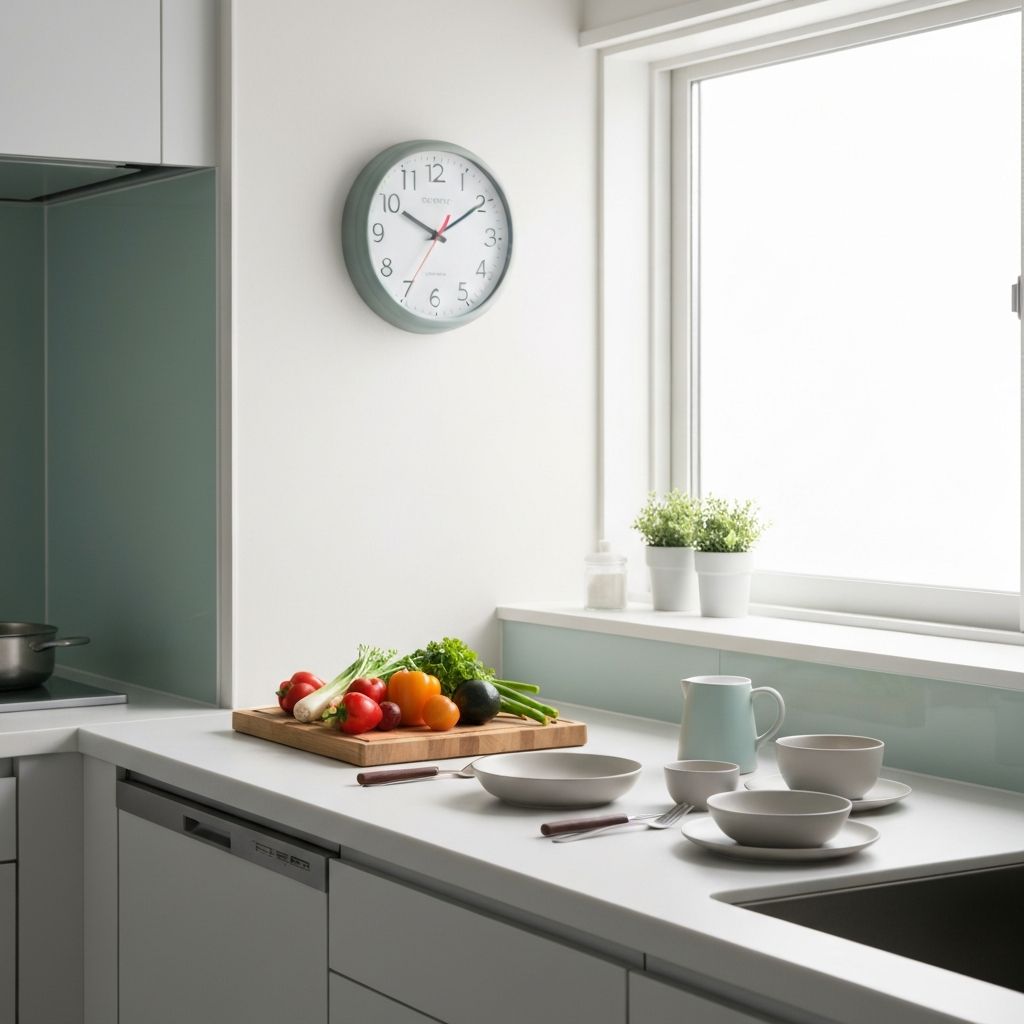
WeightScope offers educational insights into everyday routines, meal contexts, and social scenarios that are commonly discussed in relation to gradual weight changes. This resource presents observational information without personal recommendations.
Educational content only. No medical services. No promises of outcomes.
Read the overview Explore everyday context


An observational look at how everyday activities and schedules form patterns that are often part of broader lifestyle discussions.
Morning routines vary significantly between individuals. Some people start their day early with structured activities, while others prefer a gradual transition into wakefulness. These patterns often reflect work schedules, family responsibilities, and personal preferences that have developed over time.
Evening hours typically involve winding down from daily activities. The transition from work to personal time varies across households and cultures. Common observations include meal preparation, leisure activities, and social interactions that mark the end of the working day.
Meal patterns are shaped by numerous factors including cultural backgrounds, work commitments, and household dynamics. The timing of eating occasions varies widely across different populations and contexts.
Observations suggest that modern schedules often influence when and how meals are consumed. Shift work, remote employment, and varying household compositions all contribute to diverse eating patterns that differ from traditional meal structures.
Social contexts also play a role in meal occasions. Shared meals, solo eating, and the availability of food preparation time are all factors that vary significantly between individuals and across life stages.
The structure of working hours significantly shapes daily routines. Office-based work, remote employment, and hybrid arrangements each create different patterns of activity and rest throughout the day.
Commuting patterns, desk-based activities, and the organisation of breaks during working hours are commonly discussed aspects of modern professional life. These routines vary considerably based on occupation, employer policies, and individual circumstances.
The boundary between work and personal time has evolved, particularly with the increase in home-based working arrangements. This shift has introduced new considerations for how daily routines are structured.
Understanding how leisure time and social interactions fit into everyday life provides context for broader lifestyle observations.
Time spent at home for relaxation and recreation varies based on household circumstances, personal interests, and available space. Common activities include reading, watching media content, engaging in hobbies, and spending time with family members or housemates.
Social occasions often involve shared activities and gatherings. These events are shaped by cultural norms, personal relationships, and seasonal factors. The context of social interactions can vary from informal home visits to organised community events.
Food selection in daily life is influenced by numerous factors including availability, convenience, cultural preferences, and household composition. These choices occur within the context of busy schedules and varying resources.
The retail environment, including supermarkets and local shops, shapes what options are accessible. Seasonal availability, pricing, and product placement are all elements of the broader food landscape that individuals navigate regularly.
Meal planning approaches differ significantly across households. Some families follow structured shopping and preparation routines, while others adopt more flexible or spontaneous approaches based on daily circumstances.
The physical environment in which people live and work shapes daily patterns. Urban and rural settings offer different opportunities and constraints for daily activities and routines.
Seasonal changes affect routines in various ways, from daylight hours influencing activity patterns to weather conditions affecting outdoor activities. These environmental factors are experienced differently depending on geographic location.
The built environment, including housing design, neighbourhood layout, and access to amenities, provides the backdrop for everyday life. These structural elements can facilitate or constrain various activities and movement patterns.
Daily routines encompass a wide range of activities and behaviours that vary significantly between individuals. These patterns are shaped by work commitments, family responsibilities, cultural backgrounds, and personal preferences.
Understanding the diversity of lifestyle patterns helps provide context for broader discussions about everyday habits. The information presented here aims to describe common observations rather than prescribe particular approaches.
Individual circumstances differ considerably, and what constitutes a typical day varies across populations, life stages, and personal situations. This diversity is an important consideration when exploring any topic related to daily life patterns.
Understand general patterns
This website provides educational information about lifestyle patterns and everyday routines. Please consider the following important points:
Common questions about the educational content presented on WeightScope.
WeightScope is an educational resource that provides informational content about lifestyle patterns and everyday routines. Our purpose is to describe and explain common observations about daily habits without offering personal advice or recommendations.
No. WeightScope does not provide personal recommendations, individualised advice, or specific guidance. All content is educational and descriptive in nature, presenting general observations about lifestyle patterns.
Content on WeightScope is created for educational purposes, drawing on commonly discussed topics related to everyday routines and lifestyle patterns. Our focus is on presenting observational information in an accessible format.
The information on WeightScope is educational and should be considered as general background knowledge. Individual decisions should be based on personal circumstances and, where appropriate, consultation with relevant professionals.
Content on WeightScope is reviewed periodically to ensure it remains relevant and accurate. As an educational resource, we aim to present timeless observations about everyday life patterns.
Have questions about our educational content? We welcome your enquiries.
12 Maple Avenue
London, W1T 3AB
United Kingdom
+44 20 49 38 72 61
WeightScope provides educational information about lifestyle patterns and daily routines.
Educational content only. No medical services. No promises of outcomes.
Read the overview